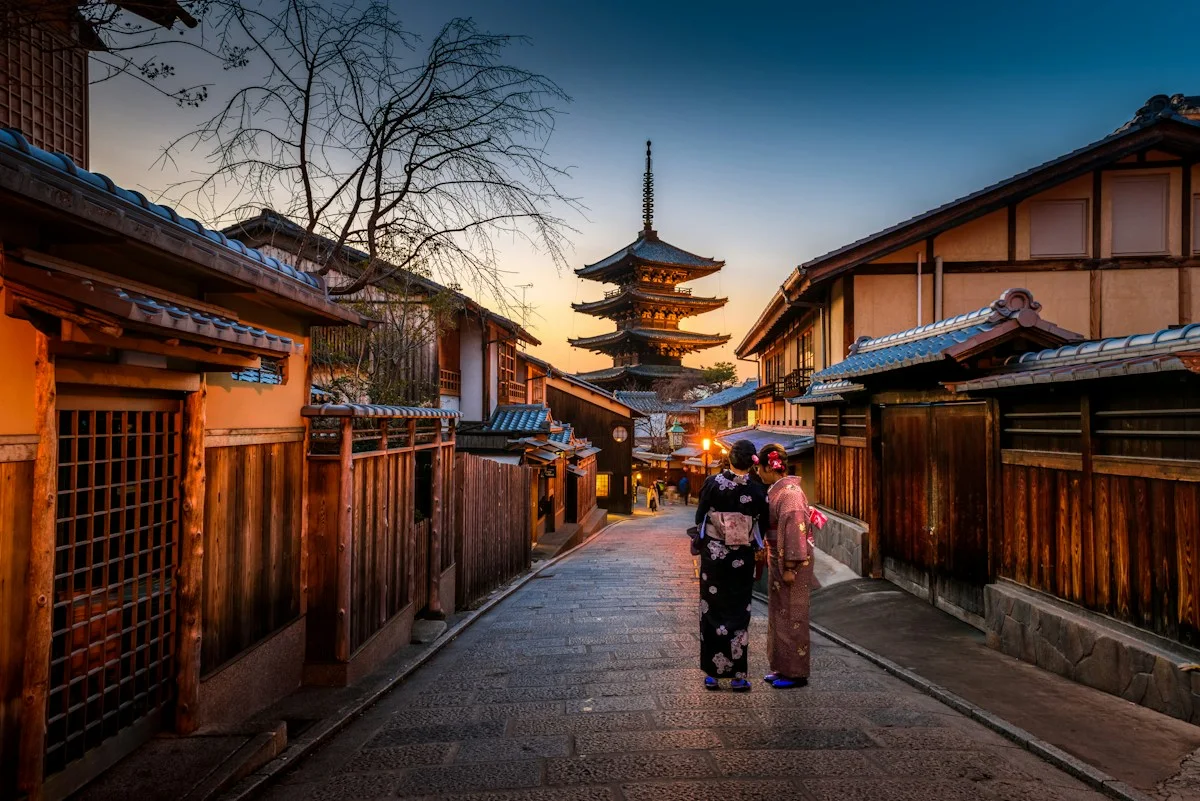
A first Kyoto itinerary often starts as a collection of beautiful photographs. The problem comes when the photographs become a single day's route. A temple in the northwest, a walk in eastern Kyoto and a late afternoon in Arashiyama may each appeal, but combining them can create more transfers than meaningful time outdoors. Start with districts and the shape of your day, then choose individual visits.
Imagine arriving with a partner after several nights in Tokyo. You have three full days, one suitcase each and enough energy for a substantial morning walk, but no desire to spend every evening planning tomorrow's buses. This guide proposes a manageable framework. It does not claim personal testing of hotels or tours; current visitor information should come from Kyoto City's official guide and the sites themselves.
Make the arrival day smaller
Book a hotel with an arrival route you understand. A property close to a station can still involve stairs, confusing exits or a longer street walk than its description suggests. Save the hotel's written address and check its luggage-storage policy before assuming you can leave bags there early. If you use a luggage service, confirm coverage, timing and accepted bag sizes with the operator.
Keep arrival sightseeing local. Find dinner, identify a nearby breakfast option and take a short walk. This practical orientation reduces the number of decisions needed the next morning. It also gives you a chance to check the weather and discuss which visits matter most to each traveler.
Give eastern Kyoto a connected day
For a first eastern Kyoto day, group your chosen sights around one walk rather than treating the entire eastern side as a single compact attraction. Build a route around the Higashiyama area, with one principal temple visit and time for the streets between stops. Verify individual opening arrangements before fixing the order; not every garden, hall or special exhibition follows the same schedule.
Keep a genuine lunch break. If a street becomes crowded, move patiently and avoid blocking shop entrances while consulting your phone. Photography is secondary to posted rules, worship and residents' access. A picturesque lane may include private property, and another visitor taking a photograph is not evidence that it is permitted.
Leave the afternoon adjustable. If you are still comfortable, continue toward another nearby area. If heat or fatigue is building, end the walking portion early. Returning for a rest is not a failed travel day; it can make an evening meal more enjoyable than another compulsory stop.
Choose either a western or northern focus
Give Arashiyama its own outing if its landscapes and temple visits are important to you. Decide on your principal destination before departure, then add nearby places that fit your pace. Avoid treating a famous walking area as a quick photograph followed immediately by a long transfer across the city. Small shops and residential routes deserve the same consideration as more obvious cultural sites.
Alternatively, plan a northern or northwestern day around the specific temples you most want to see. Compare the full transport route, including the walk at each end, instead of assuming that two points that look close on a city map are easily connected. A taxi might be a sensible occasional expense for some groups, but it should be a deliberate budget decision rather than an emergency response to an overfilled schedule.
Reserve one flexible half day
Travel interests often become clearer once you arrive. One person may discover that they prefer gardens to interiors; another may want time for ceramics or textiles. Keep half a day available for that discovery. A food-focused visit should still respect individual shop rules and the difference between eating in a designated space and obstructing a shopping street.
A flexible block is also insurance against rain or a closed attraction. Identify one indoor alternative before you travel, but do not prepay for both plans unless their terms make that sensible. Too many nonrefundable reservations can turn a thoughtful itinerary into a sequence of obligations.
Pack for movement and respectful visits
A light day bag, comfortable shoes and easy layers are useful starting points. At places where shoe removal is required, footwear that comes off easily is more convenient than complicated laces or straps. Wear socks you are comfortable displaying. Carry a small bag for your own rubbish and follow local disposal guidance rather than assuming every street has a bin.
- Keep the day's luggage small enough to manage on busy transport.
- Carry a compact rain layer appropriate to the forecast.
- Save maps and important addresses before leaving reliable connectivity.
- Bring a charging setup that suits your actual devices.
- Check the weather before selecting fabrics, rather than packing by season name alone.
When comparing bags, examine their empty weight, strap adjustment and how easily you can retrieve a transit card. You do not need a specialist travel wardrobe to be considerate or comfortable. Our packing category can help you decide which existing pieces already solve these problems.
First-visit questions
Is an early start always better?
It can give more room for a walk, but only if access is permitted and you can arrive quietly. Check opening hours and respect residential areas; dawn is not a license to enter private streets.
Should every day include a famous temple?
No. Choose visits that interest you and leave time to understand them. A garden, a craft-focused afternoon or a relaxed neighborhood meal can provide variety without adding distance.
Can you follow one fixed transport plan?
Use a route planner and official transport information for your dates. Keep a backup route and allow for the walk between stops, especially with luggage or mobility needs.